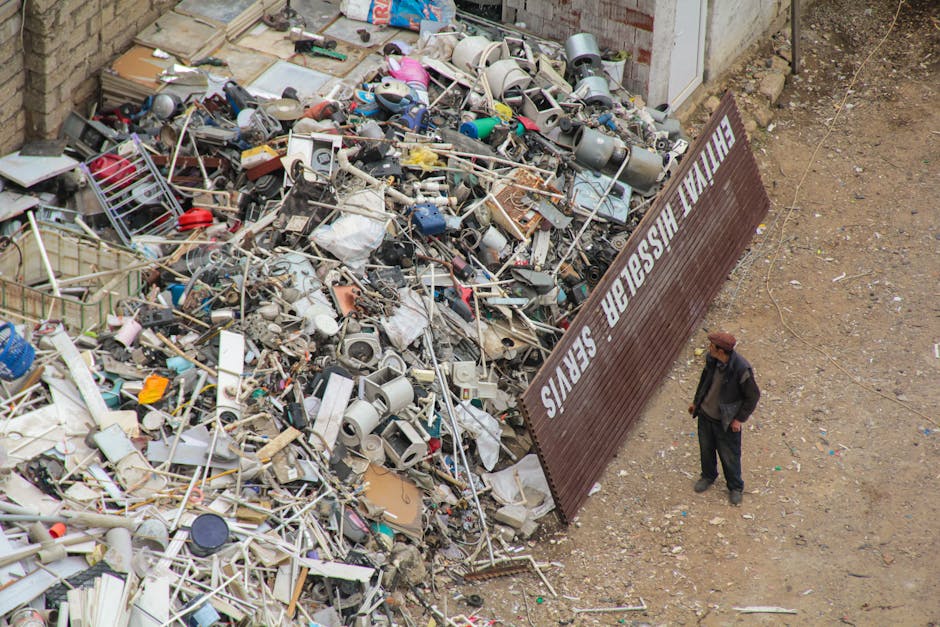
Disposal and recycling rules for West Kensington removals waste
Moving house, changing flats, or clearing an office in West Kensington can create far more waste than people expect. There are old boxes, broken furniture, foam wrap, kitchen bits, paperwork, and sometimes a few awkward items you forgot you owned. The tricky part is that not everything can go in the same pile. The disposal and recycling rules for West Kensington removals waste affect how you separate, move, and hand over those items, and getting it right saves time, money, and a lot of unnecessary hassle.
This guide explains what usually counts as removals waste, how sorting and disposal normally work in London, where recycling makes sense, and what mistakes to avoid if you want a smoother move. It is written for real-life removals, not an idealised one. Because let's face it, a move rarely happens in perfect conditions.
Contents
- Why disposal and recycling rules matter
- How removals waste handling works
- Key benefits and practical advantages
- Who this is for and when it makes sense
- Step-by-step guidance
- Expert tips for better results
- Common mistakes to avoid
- Tools, resources and recommendations
- Law, compliance, standards, and best practice
- Options, methods, and comparison
- Case study or real-world example
- Practical checklist
- Conclusion
- Frequently asked questions
Why Disposal and recycling rules for West Kensington removals waste Matters
Waste created during a move is not just "stuff to throw away". It can include reusable items, recyclable materials, bulky waste, electricals, and items that need careful handling. In a busy area like West Kensington, where flats, managed buildings, and shared access are common, poor disposal habits can quickly cause delays or complaints from neighbours and building managers.
There is also a practical side. If items are sorted properly, more can be reused or recycled, and less ends up being treated as general rubbish. That usually means less volume in the van, fewer last-minute decisions, and a cleaner handover when you leave a property. It sounds small. It isn't.
Another reason it matters is accountability. If you are booking removal services or arranging your own move, you still need to think about where waste goes and whether it is being handled responsibly. In our experience, people feel far more in control when they know the plan before moving day, not after the pile has already formed in the hallway.
Expert summary: The easiest way to manage removals waste is to separate it early, keep reusable items out of the waste stream, and make sure the final disposal route matches the type of material. A little sorting before the move saves a lot of sorting after it.
How Disposal and recycling rules for West Kensington removals waste Works
In simple terms, removals waste should be split into categories before collection or disposal. That usually means cardboard and paper, plastics and soft packaging, reusable furniture, electrical items, metals, textiles, and non-recyclable waste. Some of this can be recycled directly, some can be donated or reused, and some will need specialist handling.
Most removals are easiest when you treat waste as part of the move plan rather than an afterthought. For example, if you are using packing and boxes, you can flatten cardboard as you go and keep clean packing materials separate from food-contaminated or damaged items. Clean cardboard is generally far more useful than a damp box that has been sitting beside a leaking plant pot for three days.
Furniture is often the biggest question. Some pieces can be passed on for reuse, some can be collected through a furniture-specific service such as furniture pick up, and some may be too damaged and need disposal. The key distinction is condition. A solid table with a few scuffs is very different from a broken wardrobe with missing panels.
Electrical items need extra care. Things like kettles, lamps, monitors, and small appliances may fall into electrical waste rather than ordinary refuse. Batteries, bulbs, paints, and chemicals are a separate issue again. These are exactly the kinds of items that cause confusion during removals because they look harmless but may not belong in a standard mixed load.
For larger moves, especially where there is office furniture or mixed contents, it can help to think in stages:
- Identify what is being kept, recycled, reused, or discarded.
- Separate materials by type before move day.
- Pack reusable items safely so they do not get mixed with waste.
- Arrange the correct collection or drop-off route for each category.
- Keep basic records or notes if you need them for building, tenancy, or business reasons.
If your move is more complex, a wider service like removals or house removals may be more suitable than trying to do everything yourself. Truth be told, once waste and possessions get mixed together, everything takes longer.
Key Benefits and Practical Advantages
Following the disposal and recycling rules properly is not only about being responsible. It also makes the move cleaner, quicker, and less stressful.
- Less clutter on moving day: You move only what you actually need.
- Lower disposal risk: Fewer items end up in the wrong place.
- Better recycling outcomes: Cardboard, metal, wood, and some plastics are easier to recover when sorted.
- Cleaner property handover: Useful if you need to return a rental or office space in good condition.
- More accurate planning: You can estimate what needs transport, storage, or disposal.
There is also a financial angle. If you are paying for vehicle space, anything unnecessary in the load is wasted capacity. That matters whether you are booking a small man with van service or a larger vehicle. It's a bit like filling a suitcase with books when all you needed was clothes. It works, but not well.
Another upside is peace of mind. Many people worry about whether they are "doing the right thing" with waste. When the rules are clear, that stress drops away pretty quickly. You sort once, move once, and finish the day with fewer regrets.
Who This Is For and When It Makes Sense
This topic matters to more people than you might expect. If you are moving from a studio flat, clearing a family home, or relocating a workplace, you will almost certainly create some waste that should be handled separately.
- Home movers: Anyone who is replacing furniture, decluttering, or emptying cupboards before a move.
- Flat movers: People in apartments with tighter access, where waste storage is harder and quicker decisions matter.
- Students: Tenants dealing with cheap furniture, packaging, and forgotten bits that build up fast.
- Office movers: Businesses disposing of old desks, chairs, monitors, filing cabinets, and packaging.
- Landlords and agents: Those managing end-of-tenancy clearances or partial refurbishments.
If you are moving and also need temporary space, storage can buy you time to decide what stays, what gets donated, and what gets recycled. That can be especially useful when you are not ready to make every decision on day one. Moving has enough pressure already.
It also makes sense for anyone using packing and unpacking services, because the packing stage is the perfect moment to sort waste from keepers. Once everything is sealed in boxes, those decisions get harder.
Step-by-Step Guidance
If you want a straightforward method, use this sequence. It works for most West Kensington removals, whether you are moving a small flat or a larger property.
- Walk the property room by room. Make three piles: keep, recycle/reuse, and dispose.
- Separate clean packaging. Cardboard, paper, and clean plastic wrap are easier to recycle than mixed waste.
- Isolate problem items early. Batteries, paint, bulbs, and electricals should not get tossed into general rubbish by accident.
- Decide what can be reused. Furniture, kitchenware, books, and office items may have a second life.
- Label everything clearly. Use tape or marker pen on bags and boxes so no one has to guess on moving day.
- Arrange the right transport. Bulky waste may need a different vehicle or collection method from normal household goods.
- Check final access and timing. In West Kensington, tight stairwells, parking limits, and building rules can affect collection timing more than people expect.
A small, practical tip: keep one "decision box" aside for items you are unsure about. That one box can stop the whole house from becoming a debate. Strange how often that happens.
Where furniture needs moving out but not necessarily disposal, furniture removals can help you separate pieces that are being relocated from pieces that are being cleared. The same logic applies to house removalists handling mixed contents in a bigger move.
Expert Tips for Better Results
After enough removals, a few habits stand out. They are simple, but they make a noticeable difference.
- Start waste sorting before packing begins. The earlier you start, the fewer decisions you need to make under pressure.
- Keep recyclables dry and clean. A soggy cardboard box often becomes refuse instead of recycling.
- Do not mix reusable items with rubbish bags. If you do, people tend to assume it is all waste.
- Use one area as a staging point. A spare room or corner of the lounge works well.
- Think about access first. A lift, narrow hallway, or difficult parking spot can change the best disposal plan.
If you are moving out of a flat, especially a compact one, flat removals are often easier when waste is pre-sorted and ready to go. That may sound obvious, but the difference is huge in a building with one small lift and a queue of neighbours trying to get on with their day.
For business moves, office removals and commercial moves benefit from a clear asset list. That way you know which items are being transferred, which are being stored, and which are going for recycling or disposal. Mixed office waste can become messy very quickly if nobody owns the process.
Common Mistakes to Avoid
Most removals waste problems come from the same handful of mistakes. The good news? They are easy enough to avoid once you know them.
- Leaving sorting until the last night. That usually means items get bundled together just to finish the job.
- Assuming everything recyclable is accepted everywhere. Some materials need extra separation or specialist handling.
- Throwing away usable furniture too quickly. Reuse should always be considered before disposal if the item is still in decent shape.
- Forgetting about hazardous bits. Paint, aerosols, solvents, and batteries are the classic oversights.
- Overfilling bags and boxes. It makes lifting harder and increases the chance of damage or spillage.
One particularly common issue in London moves is underestimating how much packaging there will be. Bubble wrap, tape, box filler, labels, and protective sleeves add up. Fast. If you are using packing and boxes, build a system for packaging waste from the start or you'll end up with a mountain of scraps in the middle of the room. Nobody enjoys that part.
Another mistake is not checking the rules of the building you are leaving. Some blocks have specific times for moving, waste storage, or loading. You do not want to be carrying a mattress down the stairs at the exact moment the concierge tells you the loading bay is closed.
Tools, Resources and Recommendations
You do not need fancy equipment to manage removals waste well, but a few simple tools help a lot.
- Permanent marker: For labelling boxes, bags, and "keep/recycle/dispose" piles.
- Heavy-duty bags: Useful for mixed non-recyclable waste, but do not overstuff them.
- Box cutter or scissors: Helps flatten cardboard safely.
- Sticky notes or tape: Great for marking items that should be reused or donated.
- Gloves: Especially useful when handling dusty loft items, old shelving, or broken packaging.
As a practical service option, some people prefer a dedicated vehicle such as a removal van for mixed loads, while others need a larger moving truck for heavier or bulkier furniture. The right choice depends on volume more than anything else.
If speed matters, same day removals can be useful for urgent clearances, though it is still worth sorting waste first. Same-day does not mean careless. You still want the job done properly, just faster.
For pricing confidence and planning, pricing and quotes is the sensible place to start if you are comparing options. And if you want to understand how the business approaches responsible handling, the page on recycling and sustainability is worth a look.
Law, Compliance, Standards, and Best Practice
Waste handling in the UK is not something to shrug off. While every move is different, the broad expectation is simple: waste should be stored, transported, and disposed of responsibly, and anyone moving waste must follow the relevant legal duties and local rules that apply to the material.
For removals, the safest approach is to assume that mixed waste needs to be sorted before collection, and that anything hazardous, electrical, or bulky may need special care. Businesses have extra responsibilities because they may need to show that waste has been handled properly. For homeowners, the issue is usually less formal, but the same basic principle applies: do not dump, do not mix incompatible items, and do not hand unknown materials to a vehicle without checking.
Best practice usually includes:
- separating recyclable materials from general waste
- keeping reusable items out of the waste stream
- avoiding contamination of recycling loads
- identifying electrical items, batteries, and other special categories early
- using suitable transport and competent handling for bulky or heavy items
If you are booking a professional mover, it is sensible to review terms and conditions, plus the company's health and safety policy and insurance and safety information. Those pages help you understand what is covered, what is expected, and how waste or awkward items may be handled. Not glamorous reading, admittedly, but useful.
For service quality and accountability, a business should also be clear about complaints handling and customer support. That kind of transparency matters, especially when a move involves multiple parties and tight timings. It is one of the quiet trust signals people notice, even if they never say it out loud.
Options, Methods, and Comparison Table
There is no single best disposal method for every removals job. The right option depends on condition, volume, urgency, and whether an item can be reused. The table below gives a simple comparison.
| Option | Best for | Pros | Watch out for |
|---|---|---|---|
| Recycling | Clean cardboard, paper, metal, some plastics | Reduces waste, often simplest for packaging | Contamination can make loads unusable |
| Reuse or donation | Furniture, household items, office furniture in decent condition | Extends item life and reduces disposal volume | Items need to be usable and clean enough |
| Specialist disposal | Electricals, batteries, paint, bulky or awkward items | Better for safety and compliance | May need planning or separate handling |
| Mixed waste collection | Small residual waste that cannot be recycled | Convenient when you have leftovers | Usually the least efficient option, so keep it limited |
For a simple home move, recycling and reuse may cover most of the waste. For a larger change, like an office relocation, you may need a blend of disposal, storage, and transfer. That is why many people use a combined approach rather than forcing everything into one method.
Case Study or Real-World Example
A typical West Kensington flat move often looks something like this. A tenant is leaving a one-bedroom property and has four boxes of books, a broken bedside table, two shopping bags of packaging, an old lamp, a small desk chair, and a bag of miscellaneous cables. Nothing dramatic, but enough to create confusion if nobody sorts it in advance.
In that situation, the books and the desk chair may be kept, the lamp may need checking as electrical waste, the broken bedside table may be earmarked for disposal or parts recycling, and the cardboard can be flattened and separated. The cables are the sort of thing people almost always leave until last, then find stuffed into a drawer with half a charger and an old phone case. Human nature, really.
By sorting early, the move becomes simpler in a few ways:
- only the useful items are packed into the van
- the waste load stays small and manageable
- there is less risk of mixing rubbish with belongings
- the final sweep of the flat takes less time
Now compare that with a rushed move where everything goes into black bags on the morning itself. The result is usually heavier bags, more clutter, and a lot more second-guessing. The difference is not just tidy or untidy. It affects the pace of the whole day.
Practical Checklist
Use this checklist before moving day. It keeps the waste side of the move under control without turning it into a big project.
- Have I separated keep, recycle, reuse, and dispose items?
- Are all cardboard boxes dry, flattened, and kept apart from general waste?
- Have I checked for batteries, bulbs, chargers, and other electrical items?
- Are any furniture pieces suitable for reuse or furniture pick up?
- Have I labelled boxes and bags clearly?
- Do I know which items need specialist handling?
- Have I checked building access, lift use, and loading timing?
- Is my removal vehicle the right size for the load?
- Have I kept documentation or notes for anything business-related?
- Have I left myself enough time for a final sweep of the property?
That last one matters more than people think. The final sweep is where forgotten items, hidden packaging, and stray rubbish tend to show up, often right when you thought you were done. Typical.
Conclusion
The disposal and recycling rules for West Kensington removals waste are really about good decision-making. If you sort early, reuse what you can, recycle clean materials properly, and treat awkward items with care, the whole move becomes simpler and more controlled. That is true whether you are clearing a flat, relocating a family home, or managing a business move.
West Kensington removals often involve tight access, shared buildings, and limited time windows, so waste planning is not a side issue. It is part of the move itself. Get that part right and everything else tends to feel lighter, even if the furniture is not.
If you want support with a move that includes recycling-aware handling, careful packing, or the transport of bulky items, it helps to work with a team that takes process seriously and keeps communication clear from the start. That is the bit people remember when the day is over.
Get a free quote today and see how much you can save.
And once the dust has settled, there is something genuinely satisfying about seeing a cleared room, a tidy hallway, and a move completed without all the usual chaos. Small win, but a good one.
Frequently Asked Questions
What counts as removals waste during a move?
Removals waste usually includes broken furniture, old packaging, damaged household items, unwanted textiles, leftover boxes, and anything you no longer want to take with you. It can also include electricals, batteries, and small problem items that should not be mixed with general rubbish.
Can I put all packing material into one bin bag?
Not ideally. Clean cardboard and paper are much easier to recycle when kept separate. Dirty or mixed packaging is more likely to become general waste. If you can flatten boxes and keep them dry, you will usually get a better recycling outcome.
What should I do with furniture I do not want anymore?
If it is in good condition, reuse or collection for redistribution is usually the first thing to consider. If it is damaged, it may need disposal or a specialist furniture route. A service such as furniture removals can help when you need items moved out safely rather than simply dumped.
Are electrical items treated differently from normal waste?
Yes, usually. Electrical items often need separate handling because they may contain wiring, batteries, or components that should not go into standard household waste. Even small items like lamps or kettles can fall into that category, so it is worth checking them one by one.
How far in advance should I sort waste before moving day?
As early as you can, ideally while you are packing rather than after packing. Even two or three short sorting sessions can make a big difference. Leaving everything until the final evening is where most mistakes happen.
Is it better to recycle items or use a mixed waste collection?
Recycling or reuse is usually the better first option. Mixed waste is best kept for the leftovers that genuinely cannot be recovered. It is convenient, sure, but it should not be the default for everything.
What if I only have a few bulky items to dispose of?
Then a smaller collection or a targeted furniture service may be enough. A compact load does not always need a large vehicle. Sometimes a man with van arrangement is the most practical solution, especially if the items are light but awkward.
Do office moves create different waste issues from house moves?
They do. Office removals often involve desks, chairs, monitors, printers, cables, and filing materials, which means more material types and more sorting. If you are handling a workplace move, office removals and office relocation services are usually better suited to the complexity.
What mistakes cause the most problems with removals waste?
The biggest ones are leaving sorting too late, mixing recyclables with dirty waste, forgetting about batteries or electricals, and underestimating how much packaging there will be. Those are the quiet little traps. They look harmless until the last hour.
Should I keep records of what was disposed of?
If it is a business move, yes, that can be helpful. For a home move, a simple note is usually enough if you need to track what was recycled, donated, or discarded. It is not always necessary, but it gives you a tidy paper trail if you want one.
What if I need to move things into storage before deciding what to do?
That is a sensible option when you are not ready to make final decisions. Storage gives you breathing room, so you can separate keepers from waste without rushing. Sometimes that pause saves you from throwing away something useful by mistake.
Where can I find information about safety and service standards?
For service expectations, it is worth reviewing the company's health and safety, insurance, and terms pages. Those pages help you understand how items are handled, what precautions are taken, and how the service is structured. It is not the most exciting part of moving, but it is one of the most useful.